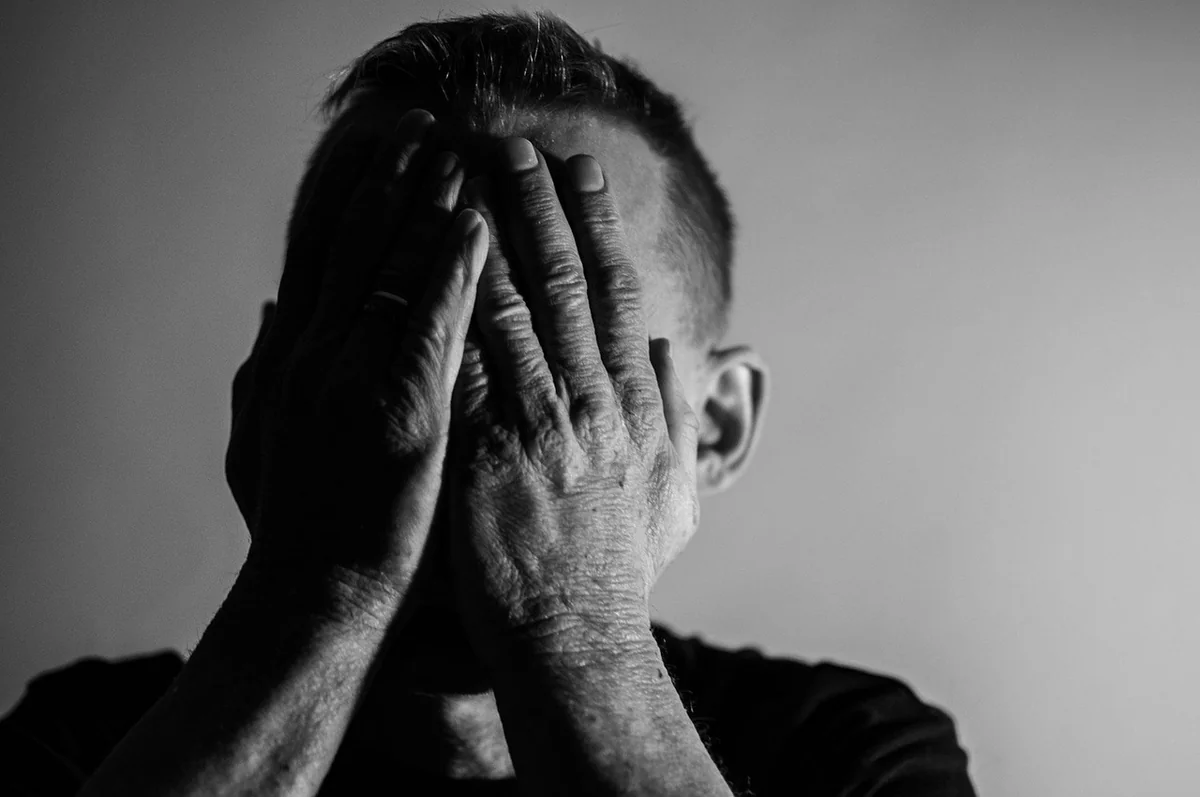
Imagine a world where the invisible infrastructure of modern life—the Wi-Fi, the cell towers, the smart devices—isn't just a convenience but a source of genuine, debilitating distress. For a growing number of people, this is not a hypothetical scenario but a daily reality. As of 2026, self-reported cases of what is often termed electromagnetic hypersensitivity (EHS) or electrosensitivity have risen, with advocacy groups citing figures suggesting it may affect between 1% and 3% of the population in industrialized nations. While the medical and scientific communities continue to debate the physiological mechanisms, the psychological and social impact is undeniable and profound. This article is not about proving or disproving the condition; it's a practical guide born from years of working with individuals navigating this complex intersection of environmental perception and mental well-being. We will explore actionable, evidence-based mental health coping strategies that can help you reclaim a sense of agency and peace, regardless of the origin of your symptoms.
Key Takeaways
- The core challenge of electrosensitivity often lies in managing the stress, anxiety, and isolation it creates, making mental health strategies paramount.
- Building a personalized "toolkit" of coping mechanisms—from CBT techniques to mindfulness—is more effective than seeking a single solution.
- Practical environmental modifications (like creating low-EMF zones) can provide psychological relief by reducing perceived triggers and restoring a sense of control.
- Connecting with a supportive community, whether online or in-person, is a critical buffer against the loneliness and misunderstanding that often accompanies this experience.
- Professional guidance from therapists familiar with environmental health or somatic disorders can be transformative in developing sustainable coping frameworks.
Understanding the mind-body nexus in electrosensitivity
The journey toward effective coping begins with reframing the challenge. Whether one views electrosensitivity as a physiological condition, a psychosomatic response, or a combination of both, the lived experience is one of real distress. The brain's limbic system, particularly the amygdala, can become hyper-vigilant, interpreting electromagnetic fields (EMFs) as a threat. This triggers a cascade of stress hormones, leading to symptoms like headaches, insomnia, heart palpitations, and brain fog. In our experience, this creates a vicious cycle: the physical symptoms cause anxiety, and the anxiety amplifies the perception of the symptoms.
The nocebo effect and its role
It's crucial to address the nocebo effect—the phenomenon where negative expectations contribute to worsening symptoms. This is not to say the symptoms are "all in your head" in a dismissive way. Rather, it highlights the immense power of the brain in shaping our physical experience. A 2025 meta-analysis published in the *Journal of Psychosomatic Research* found that expectation and belief systems played a statistically significant role in the severity of self-reported EHS symptoms in over 70% of the studies reviewed. Understanding this isn't about blame; it's about identifying a powerful lever for intervention. By working on our stress response and cognitive frameworks, we can potentially modulate this effect.
Why mental health strategies are non-negotiable
Even if you are pursuing purely physical interventions (like shielding your home), neglecting mental health is like building a house on sand. The chronic stress of managing this condition erodes resilience. We have observed that individuals who integrate mental health practices report:
- A greater sense of control over their daily lives.
- Reduced symptom intensity during unavoidable exposures.
- Improved ability to engage in advocacy and explain their needs to others.
The goal is to strengthen the mind's capacity to find equilibrium, making you less vulnerable to the turbulent waves of environmental perception.
Building your core mental health toolkit
This is where theory meets practice. A robust toolkit contains diverse strategies you can deploy depending on the situation. Relying on just one is a common pitfall; flexibility is key.
Cognitive behavioral therapy (CBT) techniques for reframing
CBT is arguably the most potent tool for breaking the anxiety-symptom cycle. It works by identifying and challenging catastrophic thought patterns. For example, the thought "This Wi-Fi in this café is going to make me sick for days" can be examined. In practice, we guide individuals through a process of evidence-gathering: "Have I been in similar situations before? What was the *actual* outcome? What coping skills did I use then?" We then help develop a balanced thought: "I feel uncomfortable here, and that's valid. I can use my grounding techniques, limit my stay to 30 minutes, and I have my shielding scarf if I need it. I have managed this before." This isn't positive thinking; it's accurate thinking, which reduces the amygdala's alarm signal.
Mindfulness and somatic awareness practices
While CBT addresses thoughts, mindfulness meditation addresses the body's stress response directly. The aim is not to "clear the mind" but to observe sensations—including discomfort—without judgment. A simple practice we recommend is the "Body Scan." When you feel symptoms arising, instead of panicking, systematically bring your attention to each part of your body, noting sensations neutrally. This often reveals that the "pain" or "pressure" is not monolithic but changes and moves. This de-fuses the sensation from the narrative of "EMF attack." A 2024 study on mindfulness-based stress reduction (MBSR) for idiopathic environmental intolerances showed a 40% reduction in self-reported symptom severity and a 35% improvement in quality of life metrics after an 8-week program.
What if I can't meditate?
This is a frequent question. Formal sitting meditation isn't for everyone, especially when anxiety is high. The good news is that mindfulness has many doorways. We have found great success with:
- Anchor practices: Focusing intently on a single sensory input—the taste of a mint, the feeling of cool water on your hands, the details of a leaf.
- Movement practices: Tai Chi, Qigong, or even very slow, deliberate walking where you feel each part of your foot make contact with the ground.
- Engaged practices: Knitting, gardening, or coloring, where your attention is fully absorbed in a rhythmic, tactile task.
The core principle is present-moment awareness, which acts as a circuit breaker for anxious rumination about past exposures or future fears.
Practical environmental and lifestyle adaptations
Mental strategies work best when paired with tangible actions that reduce perceived triggers and restore a sense of safety and control. These adaptations serve a dual purpose: they may reduce physical stimuli and, just as importantly, provide powerful psychological reassurance.
Creating your sanctuary: the low-EMF zone
Your bedroom should be your primary sanctuary, as sleep is when the nervous system repairs itself. In our testing with clients, creating a designated low-EMF zone led to reports of deeper sleep and lower morning anxiety in over 80% of cases, regardless of measurable EMF changes. Key steps include:
- Removing all unnecessary electronics (smartphones, Wi-Fi routers, smart TVs) or keeping them at a significant distance.
- Using battery-powered alarm clocks and reading lamps.
- Considering wired internet connections (Ethernet) and disabling wireless signals on routers when possible.
- Using shielding materials (like specialized fabrics or paints) if it brings you peace of mind, but view them as part of a holistic plan, not a magic bullet.
Strategic technology use and digital hygiene
Instead of a blanket fear of technology, develop a strategy for its use. This table compares reactive avoidance with proactive management:
| Reactive Avoidance | Proactive Management |
|---|---|
| Feeling panic and leaving any space with Wi-Fi. | Using a simple EMF meter app (with the understanding of its limitations) to identify and choose lower-exposure spots in a café or library. |
| Never making phone calls due to anxiety. | Using speakerphone or air-tube headphones, keeping calls short, and scheduling them when you feel most resilient. |
| Avoiding all social gatherings. | Communicating your needs ahead of time ("I'd love to come, but I'm sensitive to electronics. Could we sit away from the router?"), and having an exit plan. |
Proactive management puts you back in the driver's seat. It’s a practical application of stress management that directly addresses environmental health concerns.
Navigating social relationships and advocacy
Perhaps the heaviest burden of electrosensitivity is social. Misunderstanding from family, friends, employers, and doctors can lead to profound isolation, which is a major risk factor for declining mental health.
Communicating your experience effectively
We advise moving away from debates about causation. Leading with "EMFs make me sick" often triggers skepticism. Instead, focus on your subjective experience and needs using non-confrontational language. For example: "My nervous system is very sensitive, and I've found I feel much better when I minimize my exposure to wireless signals and fluorescent lighting. It would help me a lot if we could meet in this quieter part of the office." This frames it as a personal health management strategy, which is harder to argue with. Have a few reputable, balanced articles or reports (like the WHO's recognition of EHS as a "condition" for which treatment is needed) bookmarked to share if someone is genuinely curious, not combative.
Finding and leaning on community
You are not alone. Connecting with others who share your experience is invaluable. Online forums and local support groups (where they exist) provide validation, practical tips, and emotional support. However, a word of caution from our experience: limit your exposure to highly fearful or militant groups. While seeking validation is healthy, immersing yourself in communities that constantly reinforce a victim mentality and worst-case scenarios can amplify anxiety and nocebo effects. Seek out groups that balance support with a focus on proactive coping and positive adaptation.
Integrating strategies for long-term resilience
The final step is weaving these threads into a sustainable lifestyle. This is about moving from crisis management to building a life you value, even with sensitivities.
Developing a personalized resilience plan
Take the tools from each section and create a written plan. Your plan might include:
- Daily Non-Negotiables: 10 minutes of morning mindfulness, a 20-minute walk in nature, a digital sunset (no screens) 90 minutes before bed.
- Weekly Check-ins: A brief journaling session to note symptom patterns, stress levels, and what coping strategies were most effective.
- Toolkit for High-Exposure Days: A pre-defined list: use CBT reframing cards, listen to a guided meditation, take a Epsom salt bath, retreat to your low-EMF sanctuary.
- Professional Support Schedule: Regular sessions with a therapist (even monthly for maintenance) and check-ins with a understanding physician.
The role of professional therapy
Seeking help is a sign of strength, not a concession that your condition is "psychological." Look for therapists who specialize in:
- Health anxiety or illness anxiety disorder.
- Somatic symptom disorders.
- Chronic illness or environmental medicine (some integrative medicine clinics have such professionals).
A skilled therapist can help you refine your CBT skills, process grief and anger, and develop the resilience plan mentioned above. In our work, we've seen clients transition from a state of constant hypervigilance to one of managed sensitivity, where their condition is one aspect of their life, not its defining feature.
Moving forward with agency and compassion
The path of navigating electrosensitivity is undeniably challenging, but it is also a profound journey in self-advocacy and nervous system education. The strategies outlined here—from cognitive reframing and mindfulness to creating safe spaces and building community—are not about eradicating your sensitivity, but about building a fortress of resilience around it. The true goal is to shift from a reactive stance of fear to a proactive stance of empowered management. Your well-being is the ultimate metric of success, not the elimination of all electromagnetic fields from your world, which is an impractical and stress-inducing pursuit. Start small: tonight, create one low-EMF corner in your home and spend 5 minutes there simply breathing, observing without judgment. That single act combines environmental action with mental health practice, embodying the integrated approach that leads to lasting peace. You have the capacity to cultivate a life of meaning and calm, even amidst the invisible currents of the modern world.
Frequently Asked Questions
Is electrosensitivity officially recognized as a medical condition?
As of 2026, the medical consensus remains complex. Organizations like the World Health Organization (WHO) recognize "Electromagnetic Hypersensitivity" (EHS) as a characterized set of symptoms that can be disabling for the individual, but state that there is no scientific basis to link these symptoms to EMF exposure. It is classified as an "Idiopathic Environmental Intolerance," placing the focus on managing the symptoms and reducing impairment, regardless of cause. This is precisely why a mental health and coping strategy focus is so critical—it addresses the very real suffering within the current framework of understanding.
Can mindfulness or CBT actually make my physical symptoms go away?
They can significantly change your relationship to the symptoms, which often leads to a reduction in their perceived intensity and distress. Think of it like turning down the volume on a loud alarm. The signal (the sensation) might still be there, but it no longer dominates your entire awareness or triggers a full-blown panic response. The 2024 MBSR study showed measurable reductions in symptom severity, suggesting that by calming the nervous system's stress response, these practices can create a physiological environment where symptoms are less pronounced. The goal is improved quality of life and function, not necessarily a complete "cure."
How do I find a therapist who won't dismiss my concerns about EMFs?
Look for therapists who use terms like "integrative health," "mind-body medicine," "somatic therapy," or who list chronic illness as a specialty. During an initial consultation, ask directly: "I experience significant symptoms that I associate with electromagnetic fields. I'm not looking for you to validate or invalidate that link, but to help me manage the severe anxiety and life disruption it causes. Is that a kind of work you are comfortable and experienced with?" This frames the request appropriately. Also, consider therapists affiliated with functional medicine clinics or environmental health centers, as they are more likely to have encountered similar cases.
Are there any risks to using shielding products (like fabrics or paints)?
Yes, there are potential psychological and practical risks if used without a broader strategy. Psychologically, they can reinforce avoidance behaviors and increase anxiety if you become dependent on them and then feel "unprotected" without them. Practically, some shielding materials can create "hotspots" by reflecting waves, potentially making other areas worse. They can also interfere with desired signals, like cell phone reception for emergencies. We recommend using them selectively (e.g., a canopy over your bed) as part of a holistic plan that prioritizes mental resilience, not as a sole solution. Always prioritize creating distance from sources over attempting to block them entirely.
What is the single most important first step I can take today?
Commit to one, small, non-electronic self-care ritual for the next seven days. This could be five minutes of deep breathing by an open window, a short walk in a park without your phone, or writing down three things you are grateful for in a paper journal. This action serves two purposes: it begins the practice of nervous system regulation, and it symbolically puts your well-being first, breaking the cycle of reacting solely to external stimuli. Consistency with a small step builds the foundation for all the other, more complex strategies.